38 what is astrology in science
Astrology and science - Wikipedia Astrology consists of a number of belief systems that hold that there is a relationship between astronomical phenomena and events or descriptions of personality in the human world. Astrology has been rejected by the scientific community as having no explanatory power for describing the universe. Scientific testing has found no evidence to support the premises or purported effects … The Only Astrology Book You'll Ever Need Paperback Truly lives up to its title., United Press International A great bargain for the price, this is highly recommended for all astrology collections., Library Journal Ms. Woolfolk's popular book is an easy-to-follow introduction..., Dell Horoscope Magazine The Only Astrology Book You’ll Ever Need is an updated and revised edition of the 1982 text, now including more depth in the …
Astrology doesn't work and never worked. Here's why - ZME Science Jan 28, 2021 · Astrology is the belief that the alignment of stars and planets affect every individual’s mood, personality, and environment — and it all depends on when the individual was born.

What is astrology in science
AstroVed - Astrology, Vedic Astrology, Indian Astrology, Free … Astrology and AstroVed. Astrology can reveal Destiny! Astrology evolved as a reliable predictive science based on the realization that celestial objects strongly influence people's lives. Studying these heavenly bodies can reveal a lot about human beings, their characteristics, fortunes, and future. Astrology - Wikipedia Astrology is a range of divinatory practices, recognized as pseudoscientific since the 18th century, that claim to discern information about human affairs and terrestrial events by studying the apparent positions of celestial objects. Different cultures have employed forms of astrology since at least the 2nd millennium BCE, these practices having originated in calendrical … Astronomy - Wikipedia Astronomy (from Ancient Greek ἀστρονομία (astronomía) 'science that studies the laws of the stars') is a natural science that studies celestial objects and phenomena. It uses mathematics, physics, and chemistry in order to explain their origin and evolution.Objects of interest include planets, moons, stars, nebulae, galaxies, and comets. ...
What is astrology in science. Medical astrology - Wikipedia Medical astrology (traditionally known as iatromathematics) is an ancient applied branch of astrology based mostly on melothesia (Gr. μελοθεσία), the association of various parts of the body, diseases, and drugs with the nature of the sun, moon, planets, and the twelve astrological signs. The underlying basis for medical astrology, astrology itself, is considered to be a … Western astrology - Wikipedia Western astrology is the system of astrology most popular in Western countries. ... Astrology and science. The majority of professional astrologers rely on performing astrology-based personality tests and making relevant predictions about the remunerator's future. Those who continue to have faith in astrology have been characterised as doing so ... History of astrology - Wikipedia Babylonian astrology is the earliest recorded organized system of astrology, arising in the 2nd millennium BC. There is speculation that astrology of some form appeared in the Sumerian period in the 3rd millennium BC, but the isolated references to ancient celestial omens dated to this period are not considered sufficient evidence to demonstrate an integrated theory of … Asteroids: Vesta | Astrology.com Nov 21, 2022 · The asteroid Vesta is the goddess of hearth and home, and an ancient symbol of the sacred flame.
Astronomy - Wikipedia Astronomy (from Ancient Greek ἀστρονομία (astronomía) 'science that studies the laws of the stars') is a natural science that studies celestial objects and phenomena. It uses mathematics, physics, and chemistry in order to explain their origin and evolution.Objects of interest include planets, moons, stars, nebulae, galaxies, and comets. ... Astrology - Wikipedia Astrology is a range of divinatory practices, recognized as pseudoscientific since the 18th century, that claim to discern information about human affairs and terrestrial events by studying the apparent positions of celestial objects. Different cultures have employed forms of astrology since at least the 2nd millennium BCE, these practices having originated in calendrical … AstroVed - Astrology, Vedic Astrology, Indian Astrology, Free … Astrology and AstroVed. Astrology can reveal Destiny! Astrology evolved as a reliable predictive science based on the realization that celestial objects strongly influence people's lives. Studying these heavenly bodies can reveal a lot about human beings, their characteristics, fortunes, and future.
A Cast of 12 Astrological Words | Merriam-Webster
Why Astrology Isn't Real Science

Astrology Astronomy Icons Planet Science Universe Space Radar ...

Replicated Study Enhances Astrological Claims - Astrology ...
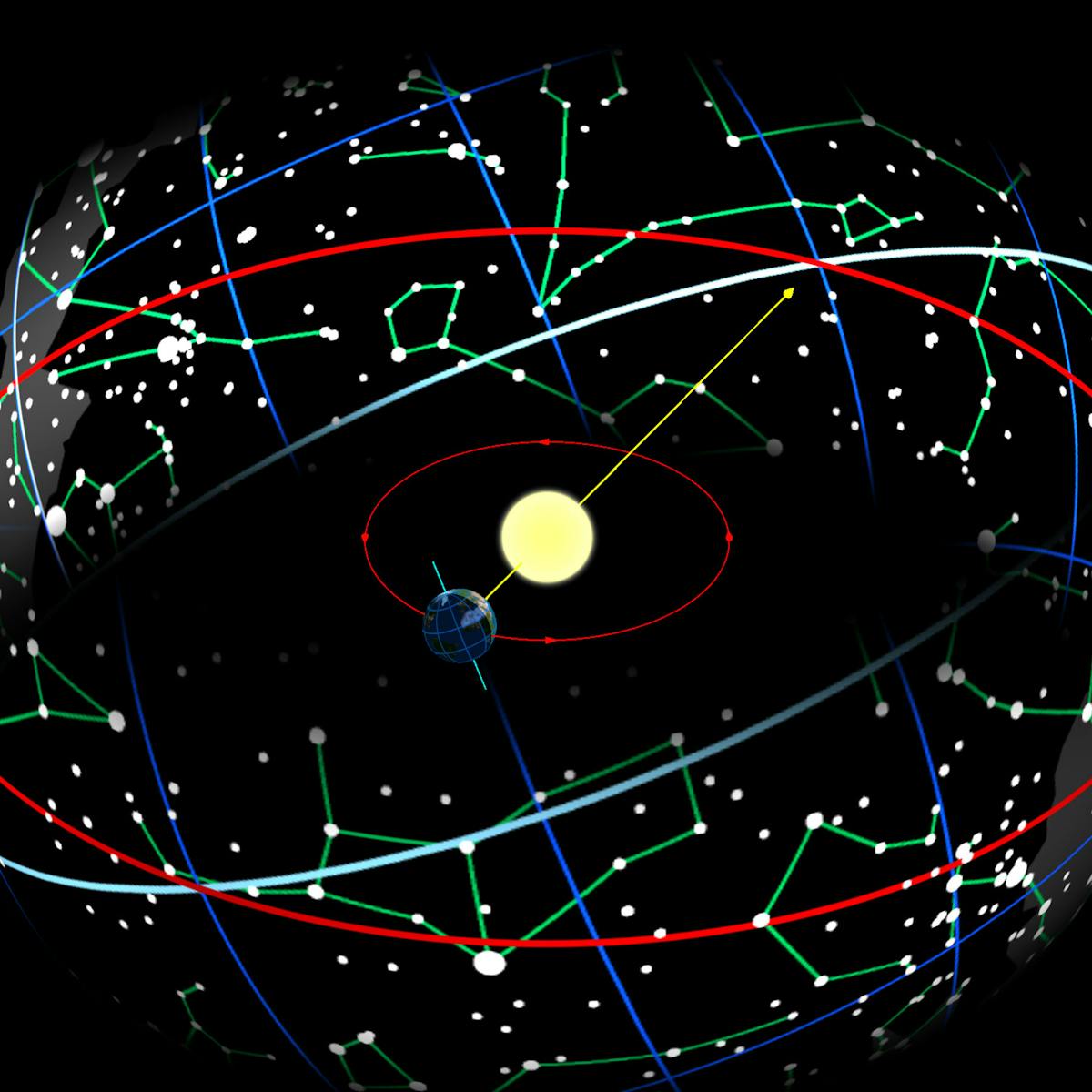
Why your zodiac sign is probably wrong

Astrology Overview & History | What is Astrology? - Video ...
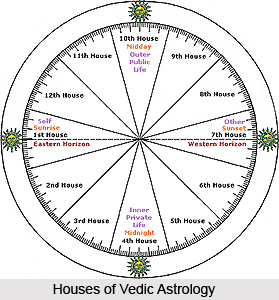
Vedic Astrology, Indian Astrology

Do science and astrology get along? - Curious Elf
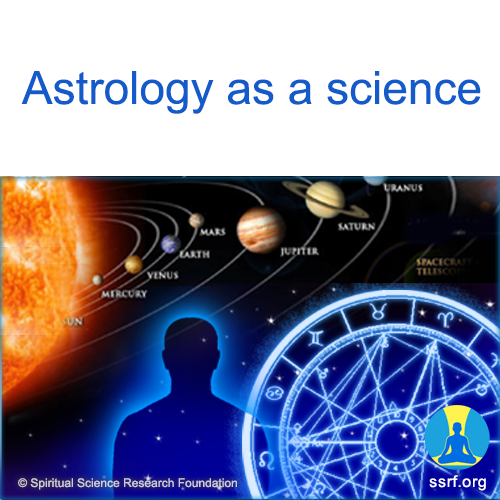
Spiritual Science Research Foundation - Astrology as a ...

Zero-Point Astrology: The Science of Freedom – Infinite Genius

Zodiac Man, Medical Astrology Wood Print

The Science Behind Astrology. Astrology is real. But it isn't ...

Which Do You Know Better: Science or Astrology? - The Atlantic

Astrological Science

Is Astrology a Science? Let's Put an End to This Debate ...

The Scientific evidence of Astrology | by Abhinav Kashyap ...
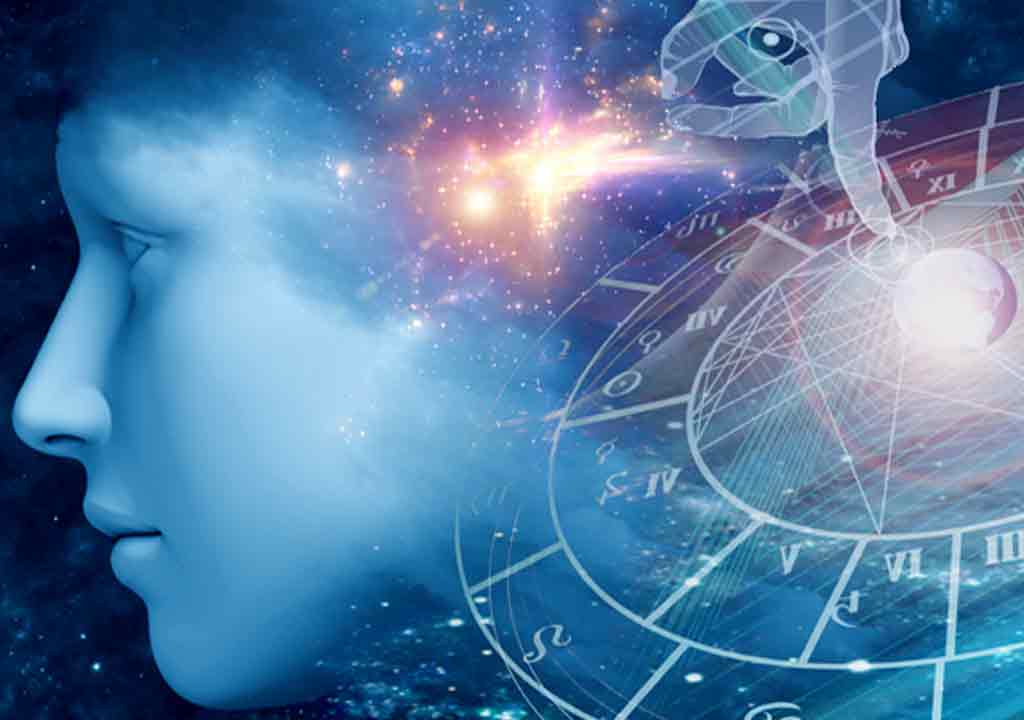
Is astrology Scientific? - Astrology.com.au

Astrology: A Cosmic Science: The Classic Work on Spiritual Astrology
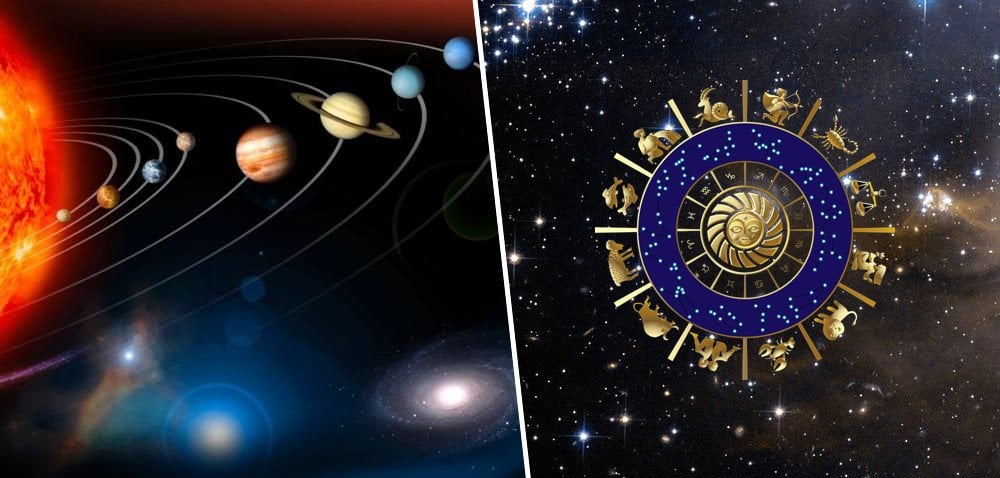
What's The Difference Between Astronomy And Astrology ...

How Astrology Escaped the Pull of Science | Office for ...

Why Astrology Is Science ebook by Tapan Das PhD - Rakuten Kobo
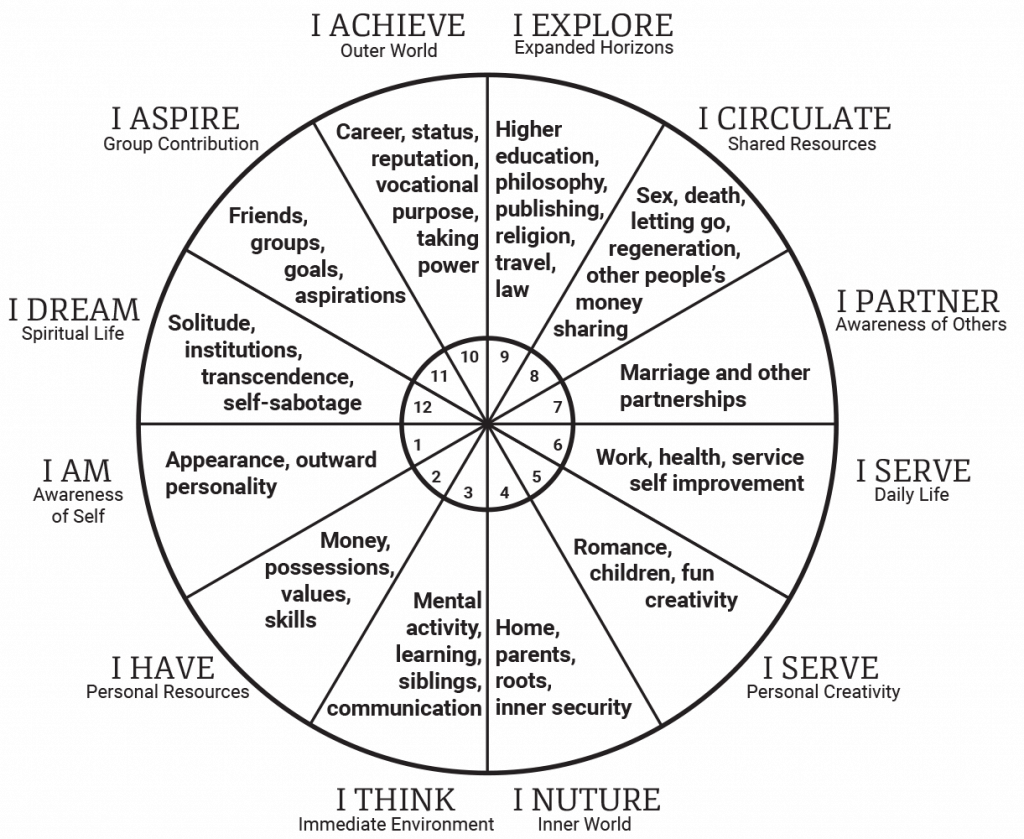
Astrology and Science - Introduction, Facts and Conclusion ...
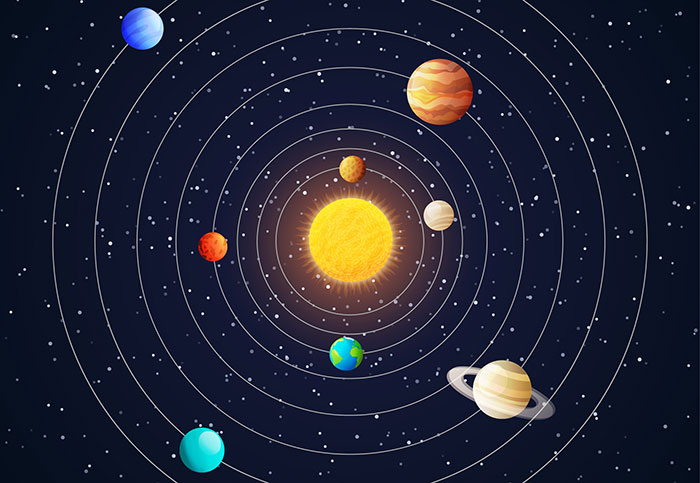
Responses to Common Scientific Criticisms of Astrology

Astrology, horoscopes, and sun signs are unscientific. Why do ...
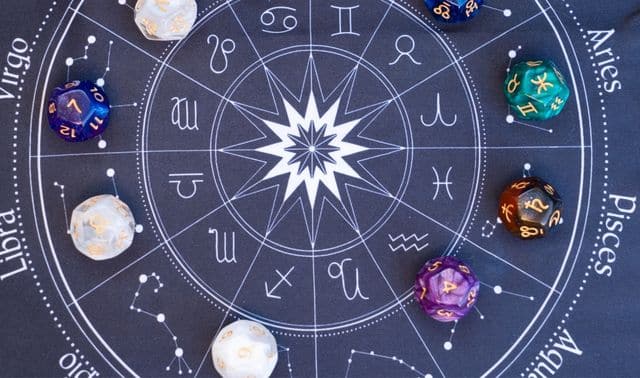
History Matters: Understanding Astrology and its Origins

Science of Light : An Introduction to Vedic Astrology by ...
6 Astrology Myths and Misconceptions, Clarified | Allure

The Science of Astrology: Theories That Support Its Truth

The Nature of Astrology | Book by Bruce Scofield | Official ...

How Does Astrology Work? - Your Curiosity Ends Here - Icy Tales

Similairity Between Scientific And Astrological Prediction ...

Astrology: The Mother of All Sciences - Astrologic Answers

Is there any science in astrology? | BBC Science Focus Magazine

How does astrology work and is there science behind it? | The ...

Why astrology is on the rise again | The Review

How Can Astrology Tell Us About Ourselves and Our Future?
5 things to know about Vedic astrology
Astrology & Horoscopes: is it reliable science? | SiOWfa15 ...
0 Response to "38 what is astrology in science"
Post a Comment