40 brihaspati in english astrology
Ketu (mythology) - Wikipedia Ketu (Sanskrit: केतु, IAST: Ketú) is the descending (i.e. 'south') lunar node in Vedic, or Hindu astrology. According to accounts in Hinduism, Ketu belongs to Jaimini Gotra, whereas Rahu is from Paiteenasa gotra; hence the two are entirely different entities with distinct characteristics but nonetheless are two parts of a common body. Surya - Wikipedia Surya is the lord of Simha (Leo), one of the twelve constellations in the zodiac system of Hindu astrology. Surya or Ravi is the basis of Ravivara, or Sunday, in the Hindu calendar. Major festivals and pilgrimages in reverence for Surya include Makar Sankranti, Pongal, Samba Dashami, Ratha Sapthami, Chath puja and Kumbh Mela.
Rahu - Wikipedia As per Hindu astrology, Rahu and Ketu have an orbital cycle of 18 years and are always 180 degrees from each other orbitally (as well as in the birth charts). This coincides with the precessional orbit of the moon or the ~18 year rotational cycle of the lunar ascending and descending nodes on the earth's ecliptic plane.

Brihaspati in english astrology
Nakshatra - Wikipedia Nakshatra (Sanskrit: नक्षत्रम्, romanized: Nakṣatram) is the term for lunar mansion in Hindu astrology and Indian Astronomy. A nakshatra is one of 27 (sometimes also 28) sectors along the ecliptic. Their names are related to a prominent star or asterisms in or near the respective sectors. Guru - Wikipedia Guru (/ ˈ ɡ uː r uː / Sanskrit: गुरु, IAST: guru; Pali: garu) is a Sanskrit term for a "mentor, guide, expert, or master" of certain knowledge or field. In pan-Indian traditions, a guru is more than a teacher: traditionally, the guru is a reverential figure to the disciple (or shisya in Sanskrit, literally seeker [of knowledge or truth]) or student, with the guru serving as a ... Planets in astrology - Wikipedia The English "Tuesday" is a modernised form of "Tyr's Day", Tyr being the Germanic analogue to Mars. Dante Alighieri associated Mars with the liberal art of arithmetic . In Chinese astrology, Mars is ruled by the element fire , which is passionate, energetic and adventurous.
Brihaspati in english astrology. Sidereal and tropical astrology - Wikipedia Ayanamsa systems used in Hindu astrology (also known as Vedic astrology) include the Lahiri ayanamsa and the Raman ayanamsa. The Fagan-Bradley ayanamsa is an example of an ayanamsa system used in Western sidereal astrology. As of 2020, sun signs calculated using the Sri Yukteswar ayanamsa were around 23 degrees behind tropical sun signs. Planets in astrology - Wikipedia The English "Tuesday" is a modernised form of "Tyr's Day", Tyr being the Germanic analogue to Mars. Dante Alighieri associated Mars with the liberal art of arithmetic . In Chinese astrology, Mars is ruled by the element fire , which is passionate, energetic and adventurous. Guru - Wikipedia Guru (/ ˈ ɡ uː r uː / Sanskrit: गुरु, IAST: guru; Pali: garu) is a Sanskrit term for a "mentor, guide, expert, or master" of certain knowledge or field. In pan-Indian traditions, a guru is more than a teacher: traditionally, the guru is a reverential figure to the disciple (or shisya in Sanskrit, literally seeker [of knowledge or truth]) or student, with the guru serving as a ... Nakshatra - Wikipedia Nakshatra (Sanskrit: नक्षत्रम्, romanized: Nakṣatram) is the term for lunar mansion in Hindu astrology and Indian Astronomy. A nakshatra is one of 27 (sometimes also 28) sectors along the ecliptic. Their names are related to a prominent star or asterisms in or near the respective sectors.
Hinduism :The Open Source Faith: Significance of Brihaspati ...

Which Planets Are Friends in Astrology? Planetary Friends ...

Brihaspati Puja - Jupiter Brihaspati Puja, Thursday Fast and Puja

Meditating on the Sacred Symbol of the Guru
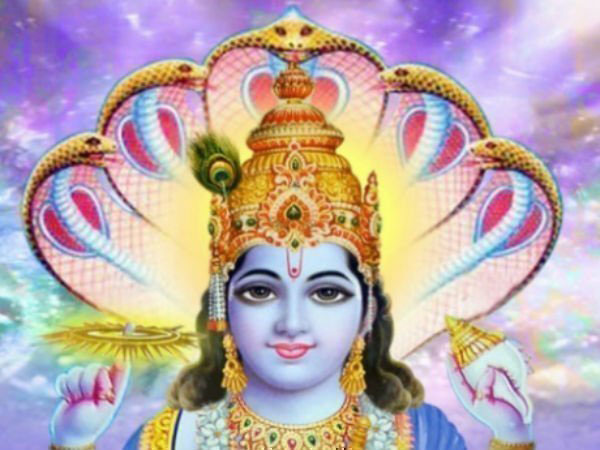
Effects Of Brihaspati In The Birth Chart And Associated ...
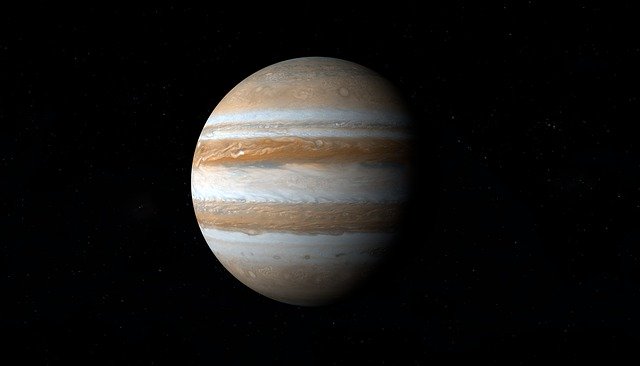
Planet Jupiter in Astrology- Positive and Negative Impacts

The astrological importance of Jupiter or 'Guru' - GaneshaSpeaks
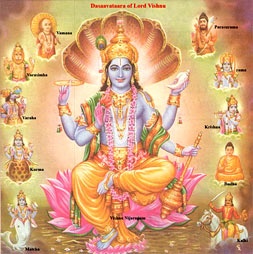
Brihaspati Puja - Jupiter Brihaspati Puja, Thursday Fast and Puja

20 Best and Easy Home Remedies for Jupiter | Saral Guru Graha ...
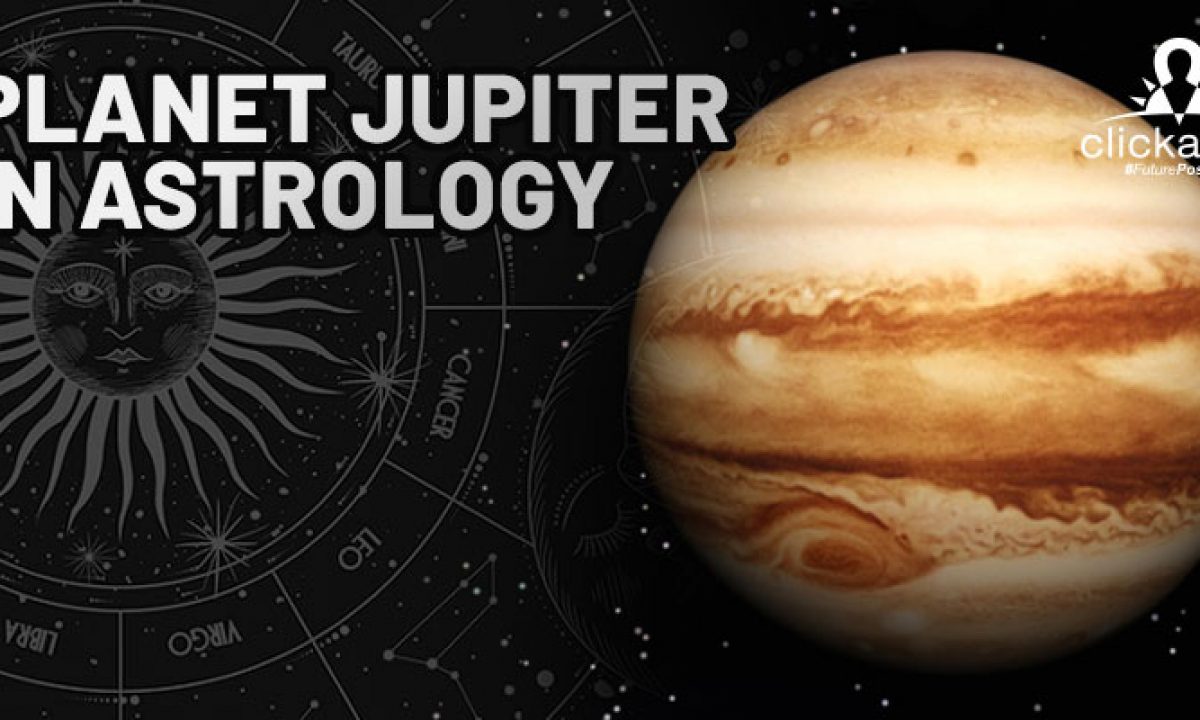
Importance of Planet Jupiter In Astrology - clickastro.com

images of the planets astrology - Google Search | Numerology ...

Devguru Brihaspati - Guru of the Hindu Gods

Importance of Jupiter in Astrology - Vedic Astrology Blog
Guru Chandal Yoga / Guru Chandal Yog - AstrologerPanditJi.com
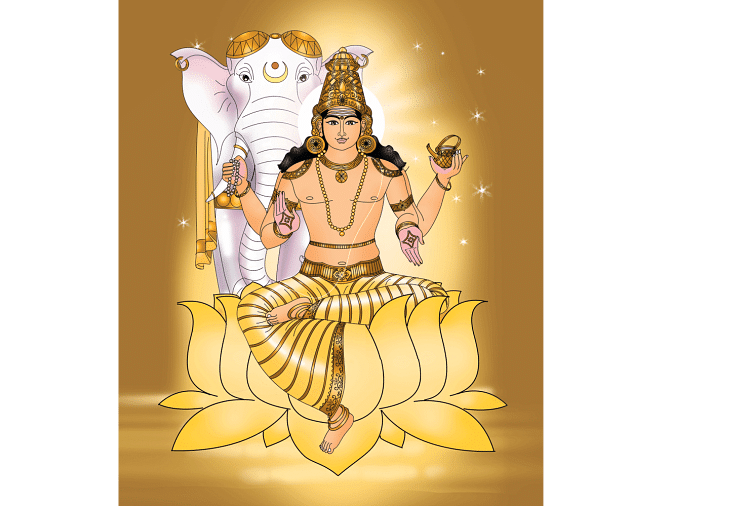
Remedies To Make Jupiter - The Guru Of All Gods Strong In ...

Remedies for Weak Jupiter in Horoscope

GURU(JUPITER/BRIHASPATI PLANET) BEEJ & LORD DHANVANTRI MANTRA ...

108 Names of Guru Brihaspati Lyrics in English - Navagraha ...

Remedies for Malefic Jupiter in Horoscope - Astrology

How to Strengthen Weak Jupiter | Proven Remedies for Weak Jupiter in Horoscope
What are the remedies to strengthen Jupiter in a horoscope ...

Strengthen the Position of Jupiter in Kundli with These ...

Navagraha Nine Planets Hindu Astrology

JUPITER - in Vedic Astrology

Brihaspati(Jupiter) Beej Mantra 108 Times | Vedic Mantra Chanting | NavgrahaMantra
18 Characteristics of Planet Jupiter in Vedic Astrology ...

Guru Chandal Yoga - Toxic Combination of Jupiter (Guru) and Rahu

Navagraha - Wikipedia

April Planet in Focus: Wealthy & Wise Jupiter - Foresight by ...
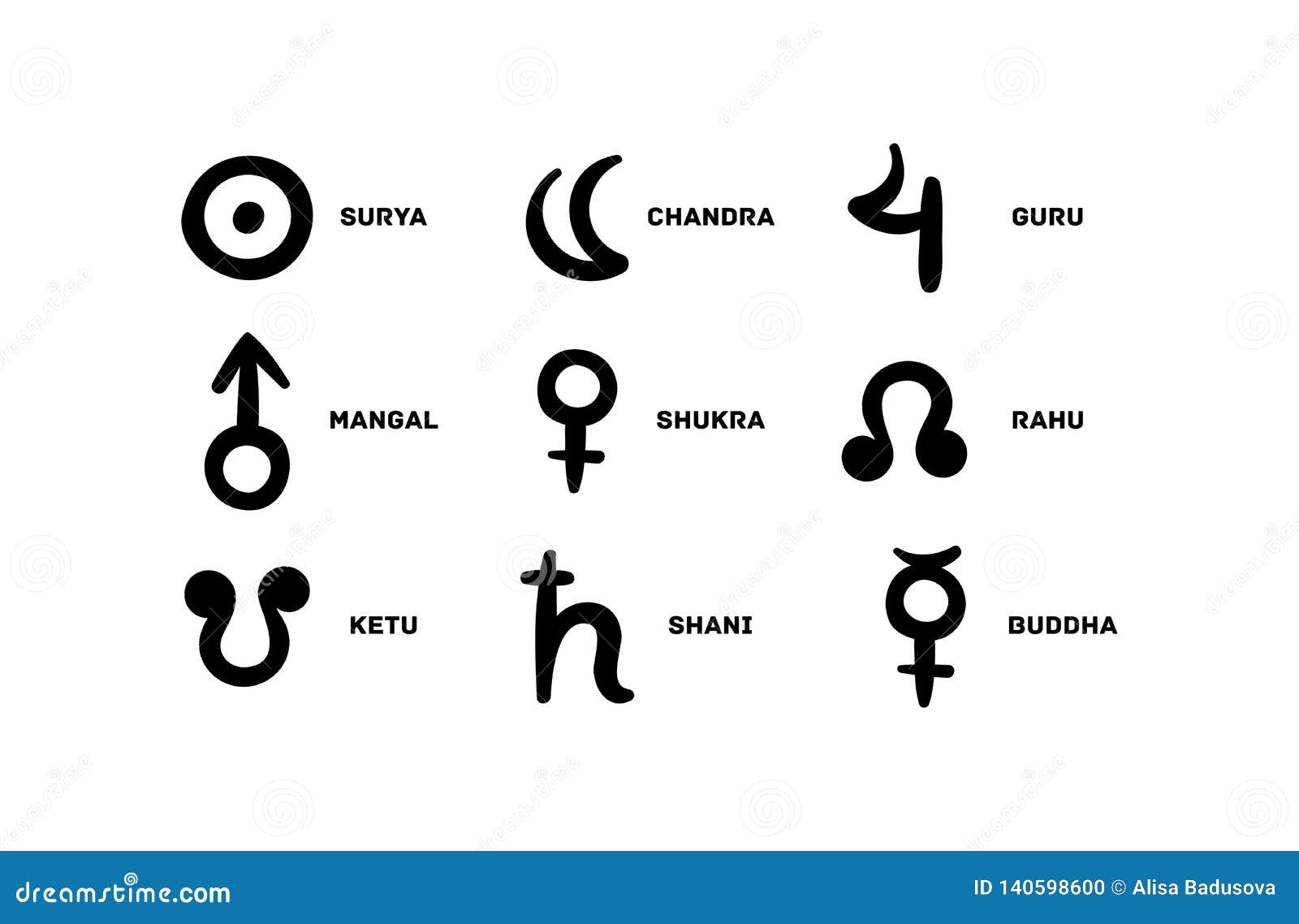
Vedic Astrology Jyotish Signs Graha. Surya Chandra Guru ...

Jupiter - Wikipedia

Jupiter or Bṛhaspati also known as Guru is the planet of a ...

Guru Brihaspati (Jupiter) Importance in Astrology

Vedic Astrology 2 | Jai Guru Dev

Jupiter as Brihaspati, Teacher of the Gods (my astrological ...

Significance of Jupiter in Vedic Astrology - Role of Guru in ...

Effects Of Brihaspati In The Birth Chart And Associated ...
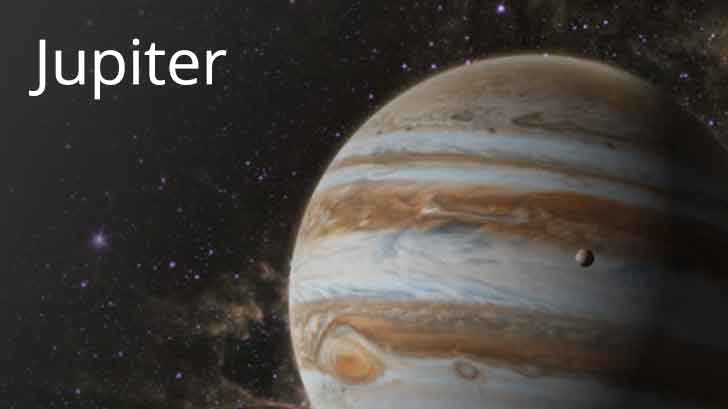
Planet Jupiter - The Greatest of All Planets Jupiter in Vedic ...

Brihaspati Mantras - Their Importance And Benefits - Jothishi

Powerful Jupiter Mantra | Meaning and 5 Effects it has on ...
0 Response to "40 brihaspati in english astrology"
Post a Comment