42 astrology and astronomy are basically the same except
Neptune - Wikipedia WebNeptune is the eighth planet from the Sun and the farthest known planet in the Solar System.It is the fourth-largest planet in the Solar System by diameter, the third-most-massive planet, and the densest giant planet.It is 17 times the mass of Earth, and slightly more massive than its near-twin Uranus.Neptune is denser and physically smaller than … PPIC Statewide Survey: Californians and Their Government WebOct 26, 2022 · Key Findings. California voters have now received their mail ballots, and the November 8 general election has entered its final stage. Amid rising prices and economic uncertainty—as well as deep partisan divisions over social and political issues—Californians are processing a great deal of information to help them choose state constitutional …
Lifestyle | Daily Life | News | The Sydney Morning Herald WebThe latest Lifestyle | Daily Life news, tips, opinion and advice from The Sydney Morning Herald covering life and relationships, beauty, fashion, health & wellbeing

Astrology and astronomy are basically the same except
en.wikipedia.org › wiki › Astrological_ageAstrological age - Wikipedia The alternative approach is to apply a method commonly used in Vedic astrology but with long antecedents also in western astrology. This method also divides each astrological age into twelve sub-periods but the first sub-period for each sign is the same as the sign itself, then with the following sub-periods in natural order. Nicolaus Copernicus - Wikipedia WebNicolaus Copernicus (/ k oʊ ˈ p ɜːr n ɪ k ə s, k ə-/; Polish: Mikołaj Kopernik; Middle Low German: Niklas Koppernigk, German: Nikolaus Kopernikus; 19 February 1473 – 24 May 1543) was a Renaissance polymath, active as a mathematician, astronomer, and Catholic canon, who formulated a model of the universe that placed the Sun rather than Earth at … en.wikipedia.org › wiki › WeekWeek - Wikipedia A week is defined as an interval of exactly seven days, so that, except when passing through daylight saving time transitions or leap seconds, 1 week = 7 days = 168 hours = 10,080 minutes = 604,800 seconds. With respect to the Gregorian calendar: 1 Gregorian calendar year = 52 weeks + 1 day (2 days in a leap year)
Astrology and astronomy are basically the same except. en.wikipedia.org › wiki › Middle_AgesMiddle Ages - Wikipedia The Cross of Mathilde, a crux gemmata made for Mathilde, Abbess of Essen (973–1011), who is shown kneeling before the Virgin and Child in the enamel plaque. In the history of Europe, the Middle Ages or medieval period lasted approximately from the late 5th to the late 15th centuries, similar to the post-classical period of global history. It began with the fall of the Western Roman Empire ... › createJoin LiveJournal Password requirements: 6 to 30 characters long; ASCII characters only (characters found on a standard US keyboard); must contain at least 4 different symbols; en.wikipedia.org › wiki › Nicolaus_CopernicusNicolaus Copernicus - Wikipedia Nicolaus Copernicus (/ k oʊ ˈ p ɜːr n ɪ k ə s, k ə-/; Polish: Mikołaj Kopernik; Middle Low German: Niklas Koppernigk, German: Nikolaus Kopernikus; 19 February 1473 – 24 May 1543) was a Renaissance polymath, active as a mathematician, astronomer, and Catholic canon, who formulated a model of the universe that placed the Sun rather than Earth at its center. Microsoft takes the gloves off as it battles Sony for its Activision ... WebOct 12, 2022 · Microsoft pleaded for its deal on the day of the Phase 2 decision last month, but now the gloves are well and truly off. Microsoft describes the CMA’s concerns as “misplaced” and says that ...
› story › moneyUnbanked American households hit record low numbers in 2021 Oct 25, 2022 · The number of American households that were unbanked last year dropped to its lowest level since 2009, a dip due in part to people opening accounts to receive financial assistance during the ... Week - Wikipedia WebA week is a unit of time equal to seven days.It is the standard time period used for short cycles of days in most parts of the world. The days are often used to indicate common work days and rest days, as well as days of worship.Weeks are often mapped against yearly calendars, but are typically not the basis for them, as weeks are not based on astronomy. Astrological age - Wikipedia WebAn astrological age is a time period in astrological theory which astrologers say, parallels major changes in the development of Earth's inhabitants, particularly relating to culture, society, and politics. There are twelve astrological ages corresponding to the twelve zodiacal signs in western astrology.Advocates believe that when one cycle of the twelve … Middle Ages - Wikipedia WebThe Cross of Mathilde, a crux gemmata made for Mathilde, Abbess of Essen (973–1011), who is shown kneeling before the Virgin and Child in the enamel plaque. In the history of Europe, the Middle Ages or medieval period lasted approximately from the late 5th to the late 15th centuries, similar to the post-classical period of global history. It began with the …
Unbanked American households hit record low numbers in 2021 WebOct 25, 2022 · The number of American households that were unbanked last year dropped to its lowest level since 2009, a dip due in part to people opening accounts to receive financial assistance during the ... › 2022/10/12 › 23400986Microsoft takes the gloves off as it battles Sony for its ... Oct 12, 2022 · Microsoft pleaded for its deal on the day of the Phase 2 decision last month, but now the gloves are well and truly off. Microsoft describes the CMA’s concerns as “misplaced” and says that ... Join LiveJournal WebPassword requirements: 6 to 30 characters long; ASCII characters only (characters found on a standard US keyboard); must contain at least 4 different symbols; en.wikipedia.org › wiki › WeekWeek - Wikipedia A week is defined as an interval of exactly seven days, so that, except when passing through daylight saving time transitions or leap seconds, 1 week = 7 days = 168 hours = 10,080 minutes = 604,800 seconds. With respect to the Gregorian calendar: 1 Gregorian calendar year = 52 weeks + 1 day (2 days in a leap year)
Panic in the zodiac: astrologers quash fears over 'new' 13th ...
Nicolaus Copernicus - Wikipedia WebNicolaus Copernicus (/ k oʊ ˈ p ɜːr n ɪ k ə s, k ə-/; Polish: Mikołaj Kopernik; Middle Low German: Niklas Koppernigk, German: Nikolaus Kopernikus; 19 February 1473 – 24 May 1543) was a Renaissance polymath, active as a mathematician, astronomer, and Catholic canon, who formulated a model of the universe that placed the Sun rather than Earth at …

Astrology and Astronomy: Similarities and Differences - HubPages
en.wikipedia.org › wiki › Astrological_ageAstrological age - Wikipedia The alternative approach is to apply a method commonly used in Vedic astrology but with long antecedents also in western astrology. This method also divides each astrological age into twelve sub-periods but the first sub-period for each sign is the same as the sign itself, then with the following sub-periods in natural order.

The World's Largest Astronomy Museum Opens Its Doors ...
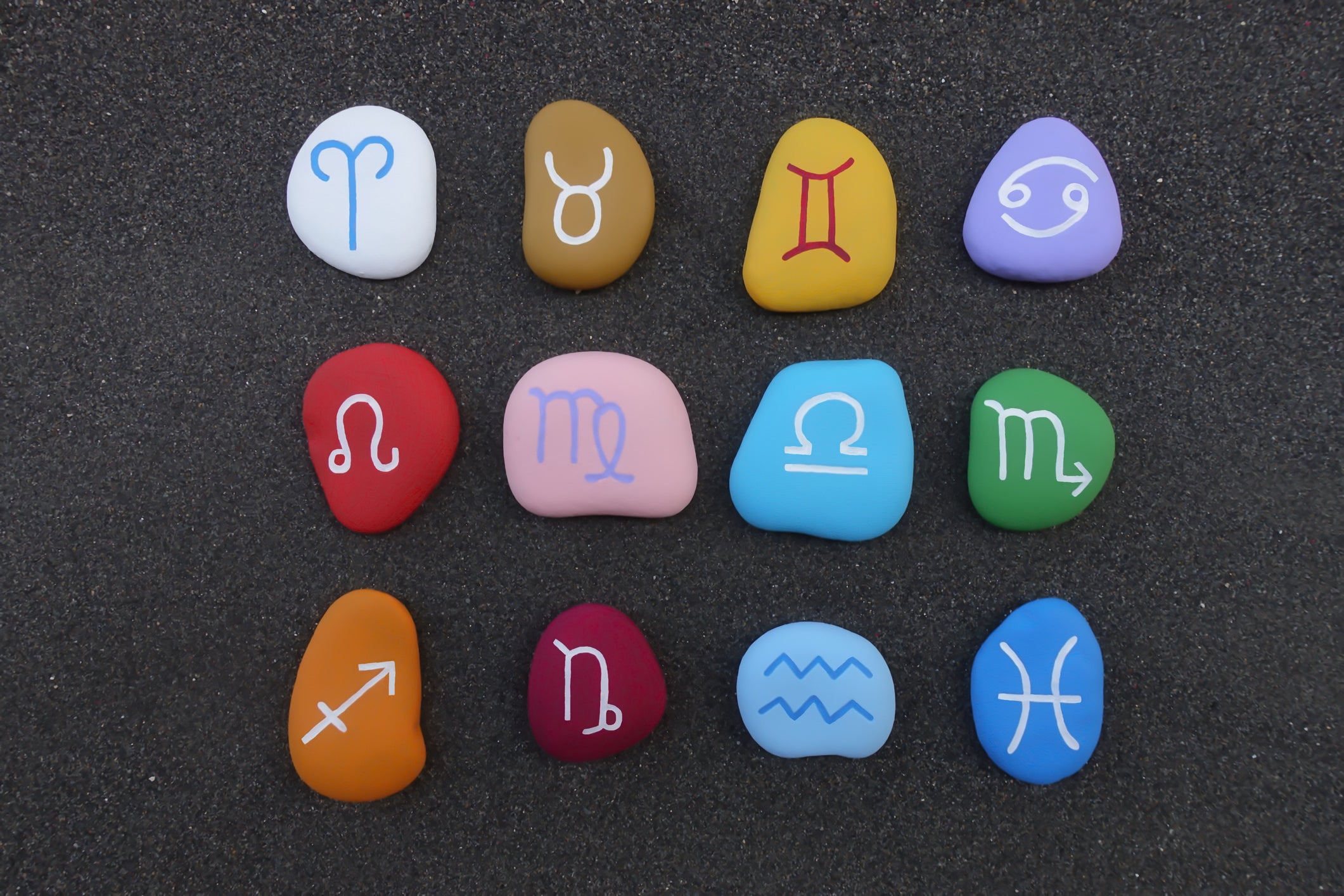
Is Astrology Real? Here's What Science Says - Scientific American

What's the difference between Astronomy and Astrology ...

Why the Zodiac Still Matters to Astronomy
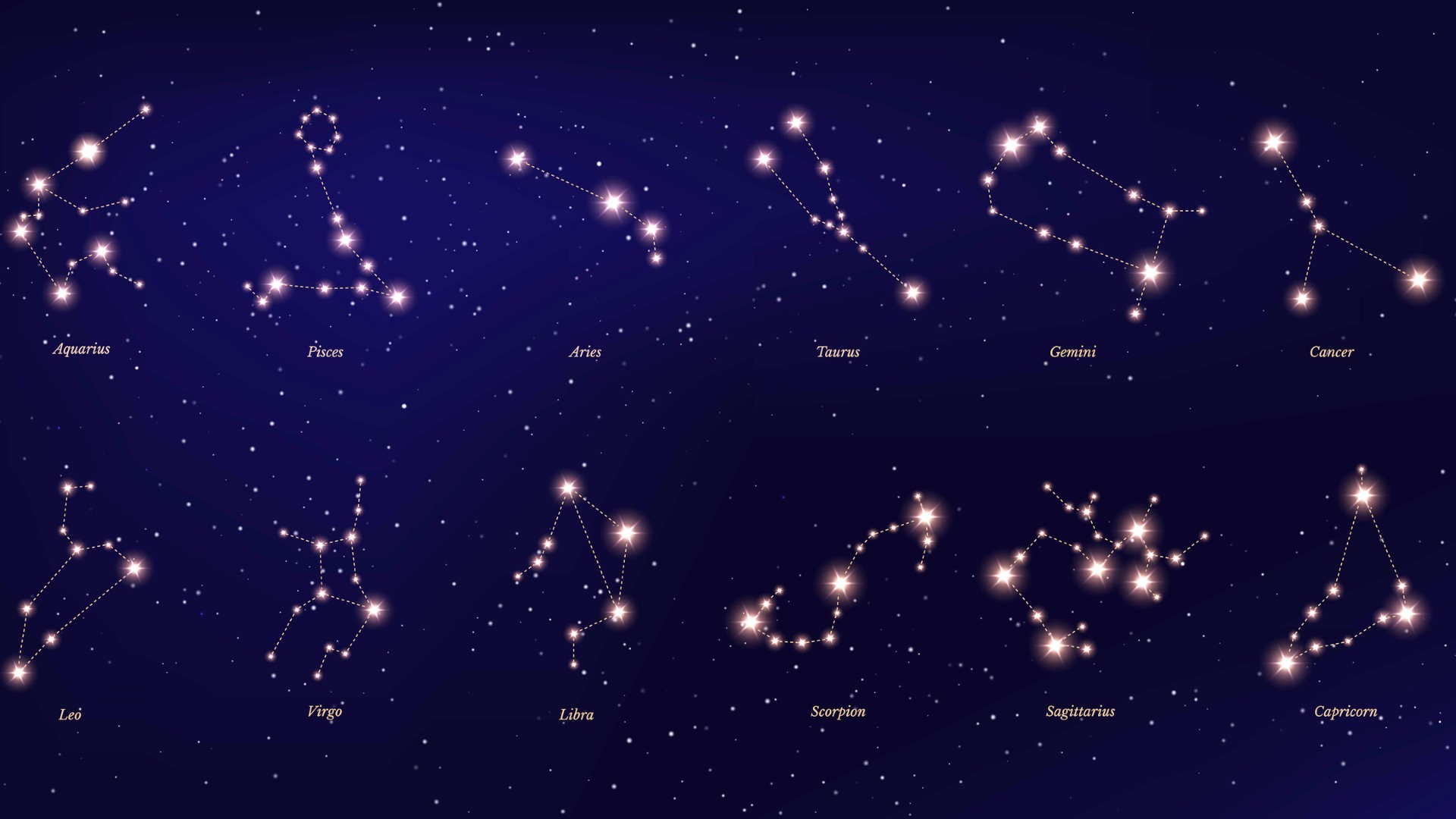
What's your zodiac sign? (It may not be what you think it is ...
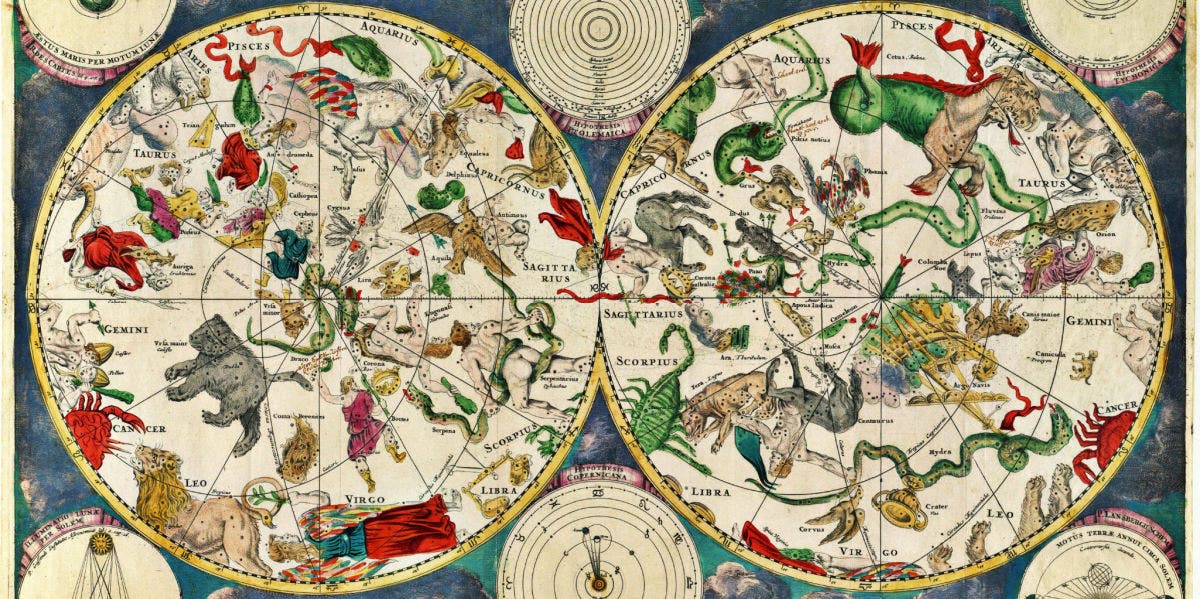
Astronomy Vs. Astrology: The Major Differences You Need To ...
What's the difference between astrology and astronomy? What ...

Astronomy, Astrophysics and Astrology

How The Signs Hug | Zodiac signs sagittarius, Libra zodiac ...
What's the difference between astrology and astronomy? What ...
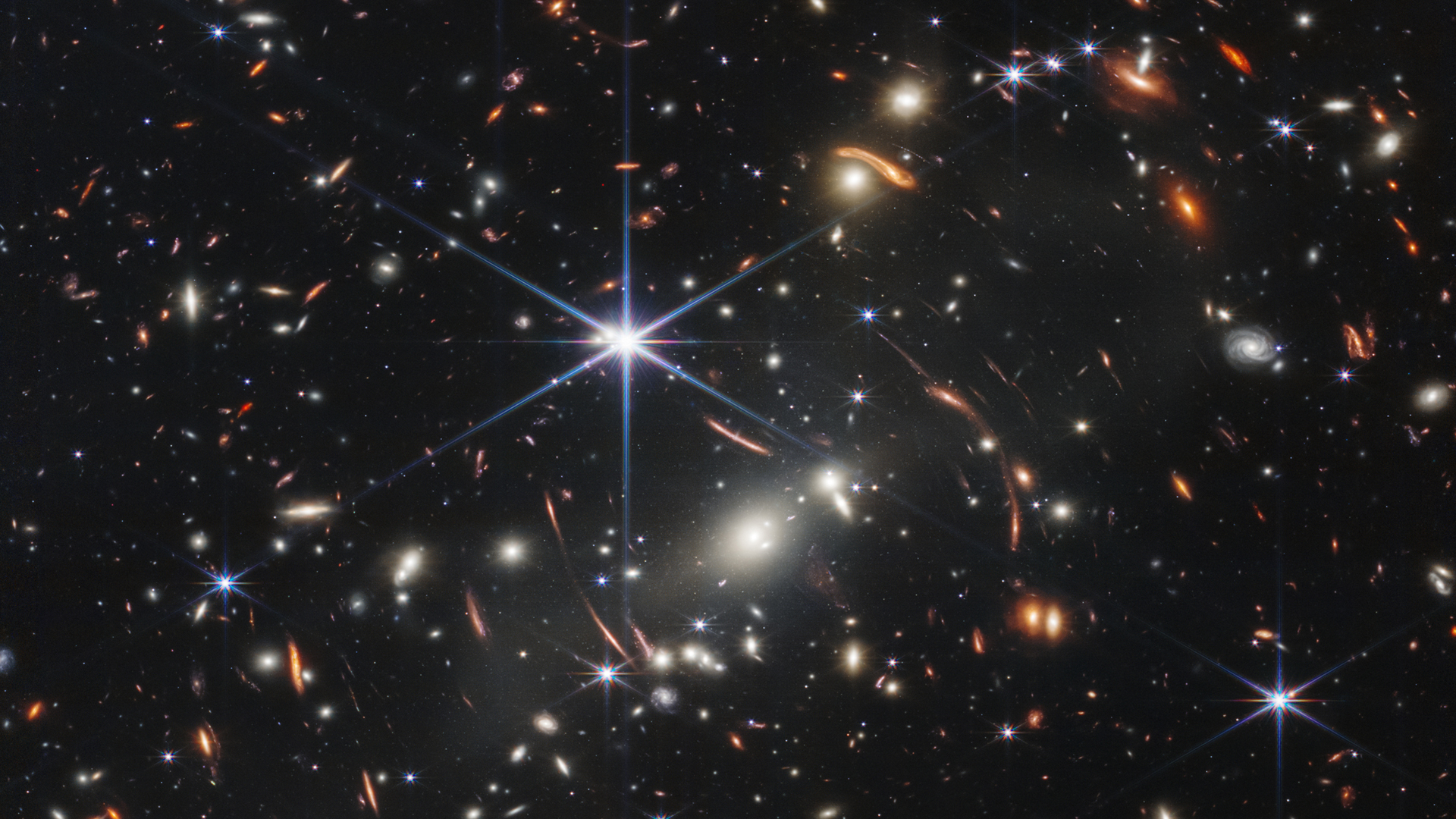
Astronomy: Definition, history and types | Space
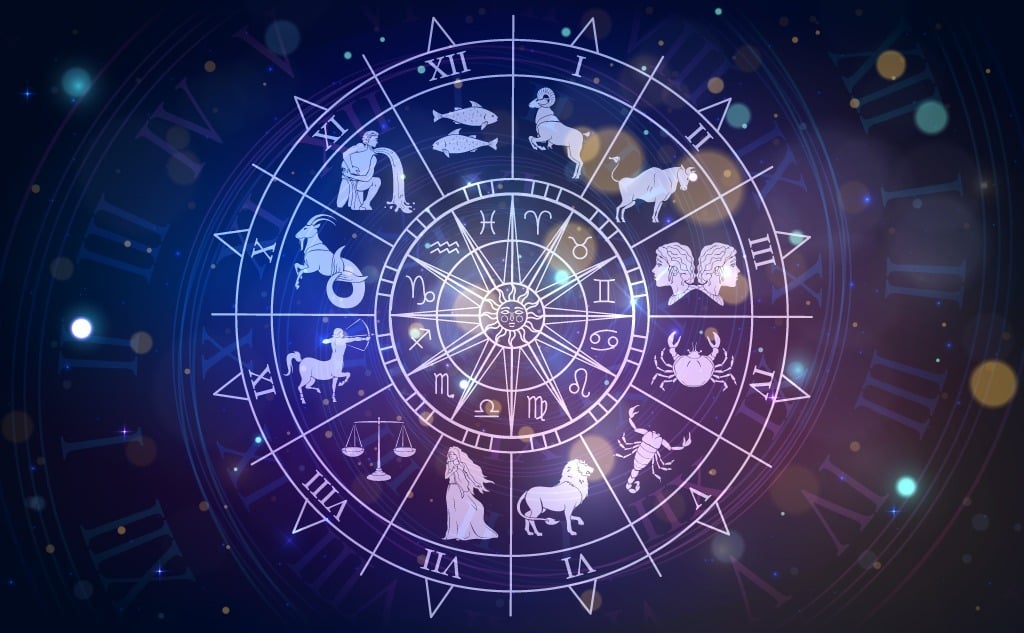
Astronomy vs. Astrology: What Is the Difference? (+ Facts)

How astrology paved the way for predictive analytics ...

What's My Zodiac Sign Element? Fire, Earth, Air, & Water ...
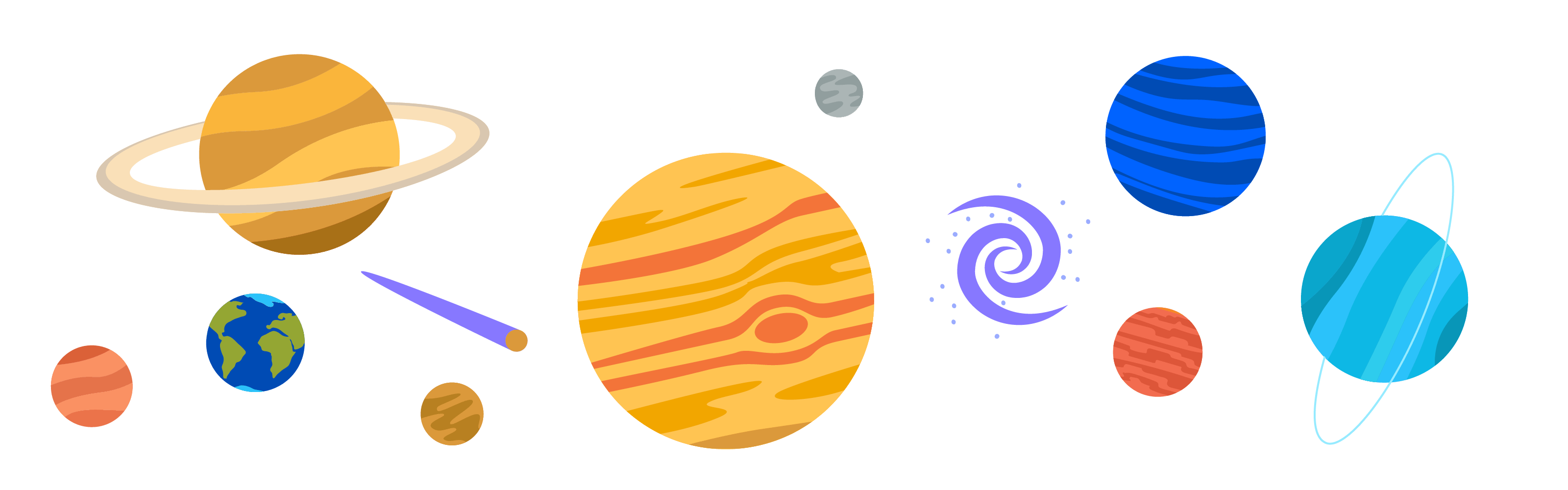
What is Astronomy? | AMNH

Astrology in the Age of Uncertainty | The New Yorker
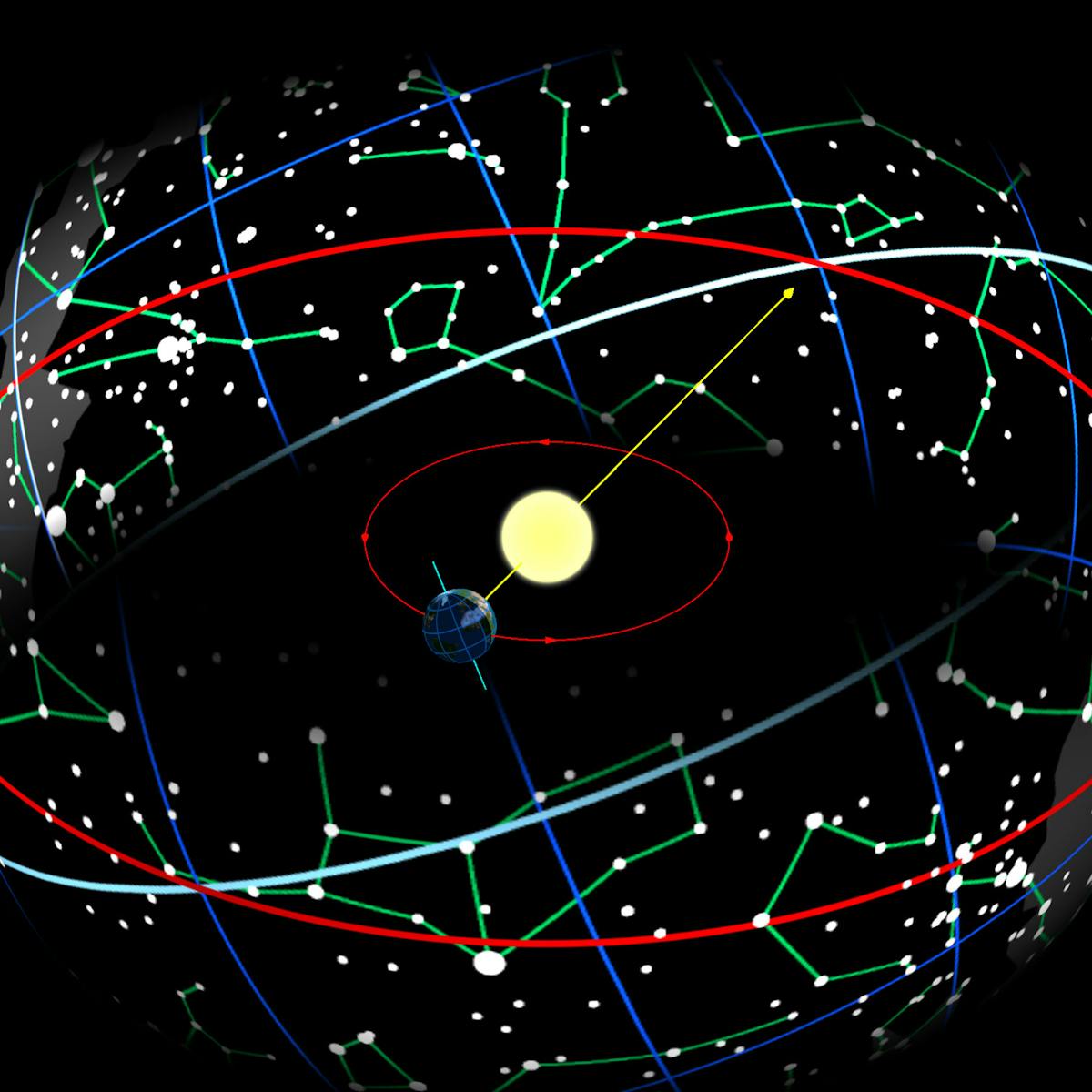
Why your zodiac sign is probably wrong
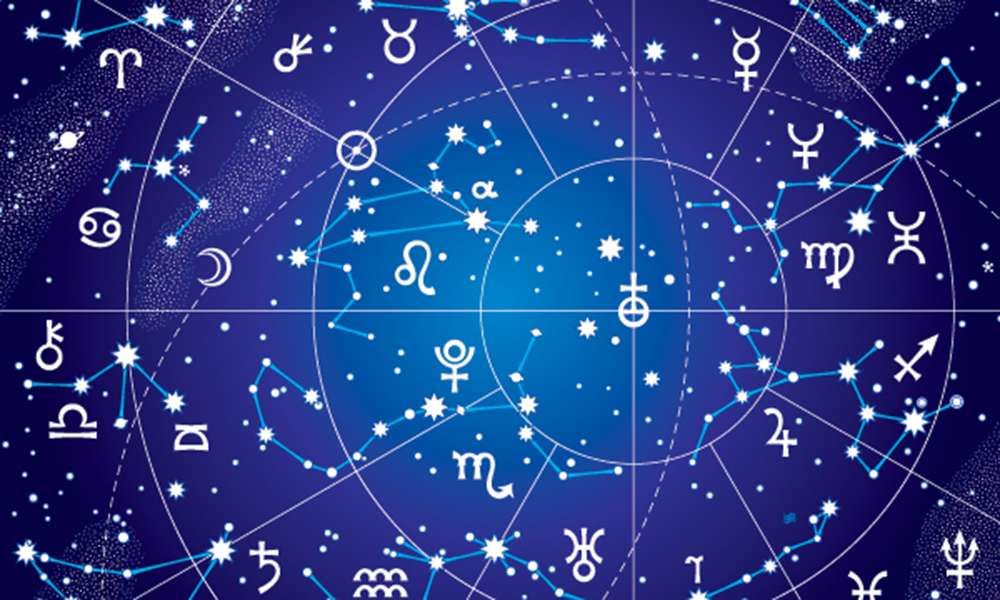
Does Astrology Work?

Astronomy - Wikipedia

Difference between Astronomy and Astrology | Astronomy ...

Astrology and astronomy - Wikipedia

Why Are Millennials So Into Astrology? - The Atlantic

Here's How to Read Your Birth Chart Like a Professional ...

What's the difference between astronomy and astrology?
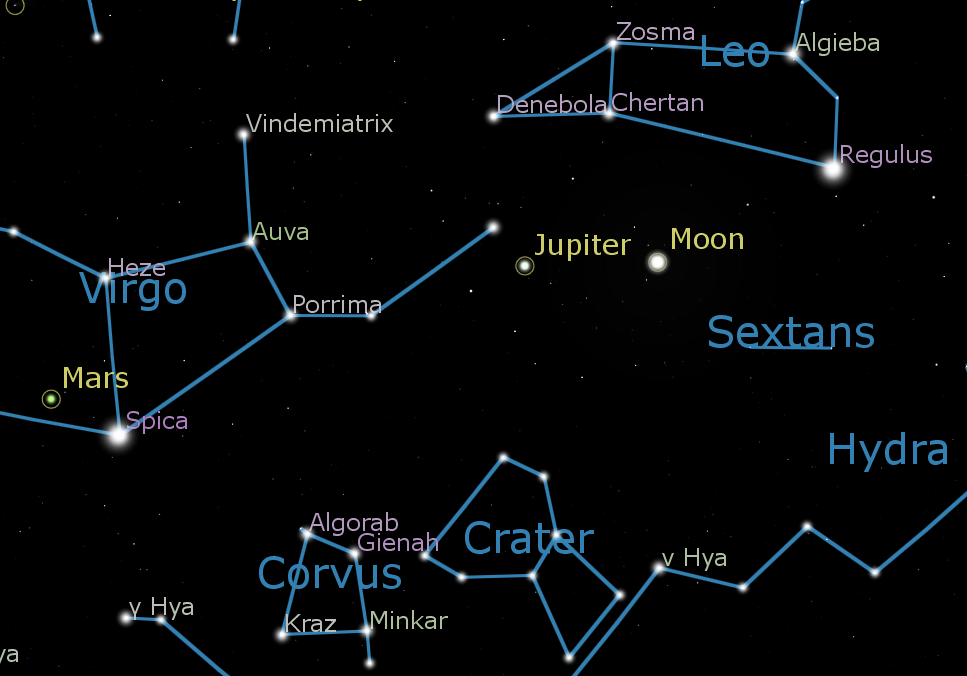
How does astrology work? | Science Questions with Surprising ...

Are astrology signs real? Are they worth believing in?

Are Zodiac Signs Real? Here's the History Behind Horoscopes ...

Astronomy vs Astrology – How are they related? - Odyssey Magazine

PERSEUS CONSTELLATION GLOSSY POSTER PICTURE PHOTO stars astrology astronomy

How the Ecliptic and the Zodiac Work | Space

Astrology Star Constellations with Zodiac Symbols Like ...

Astronomy Q&A: Your Questions Answered - Sky & Telescope ...
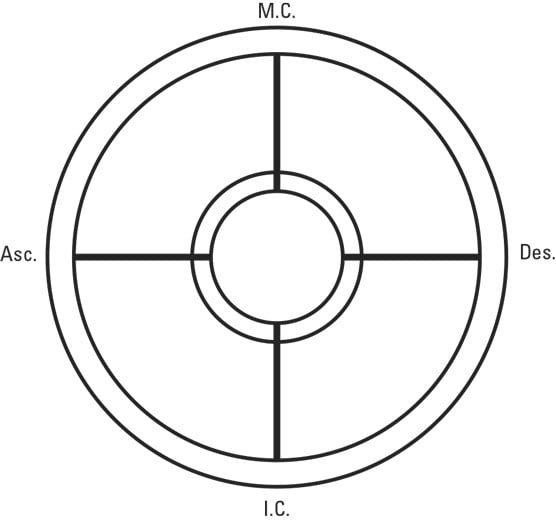
How to Identify Overall Patterns on Your Astrological Birth ...

THE FOLLY OF ASTROLOGY – BofM.Blog
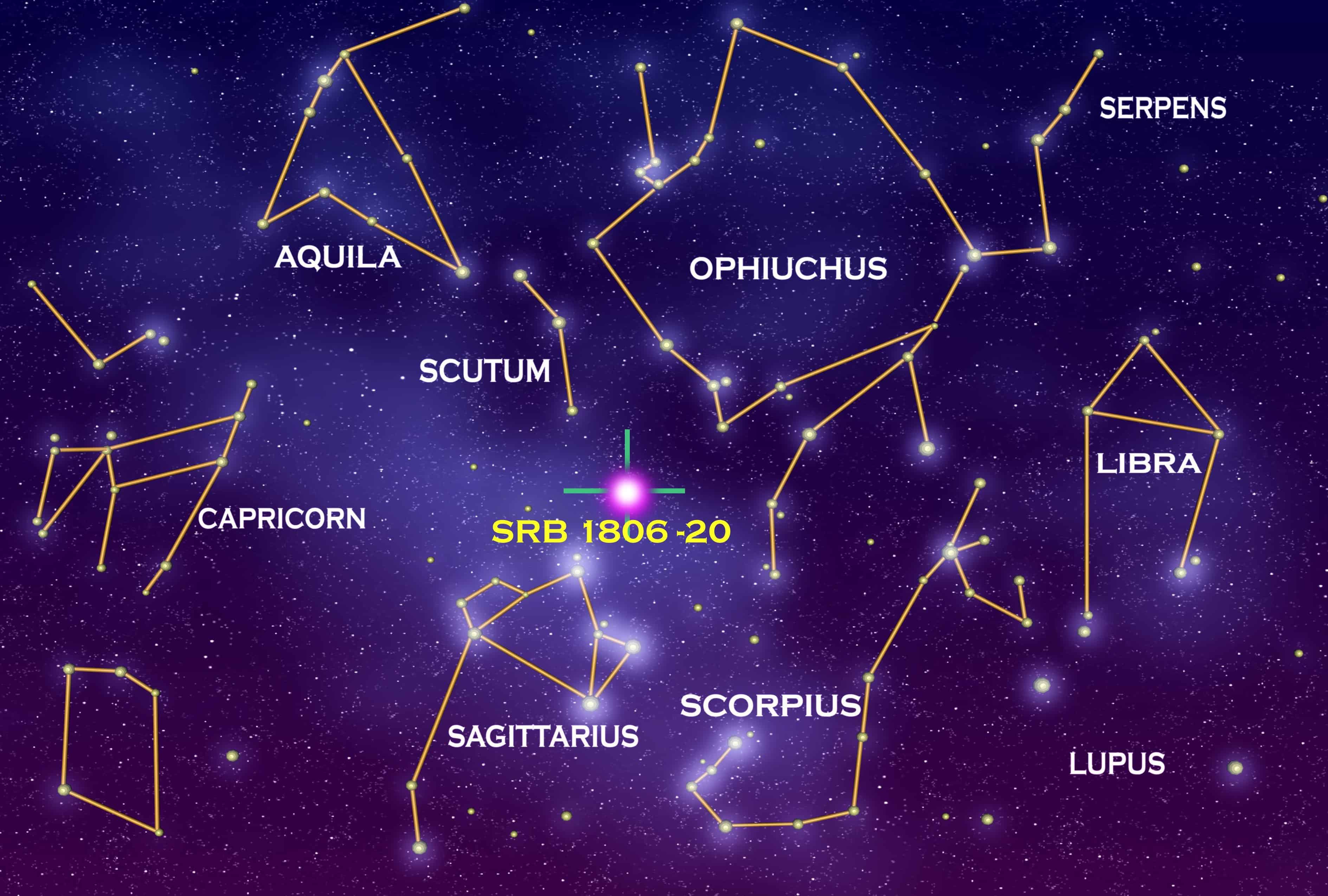
Astrology doesn't work and never worked. Here's why

Co–Star, the Astrology App Conquering the Millennial Lock ...
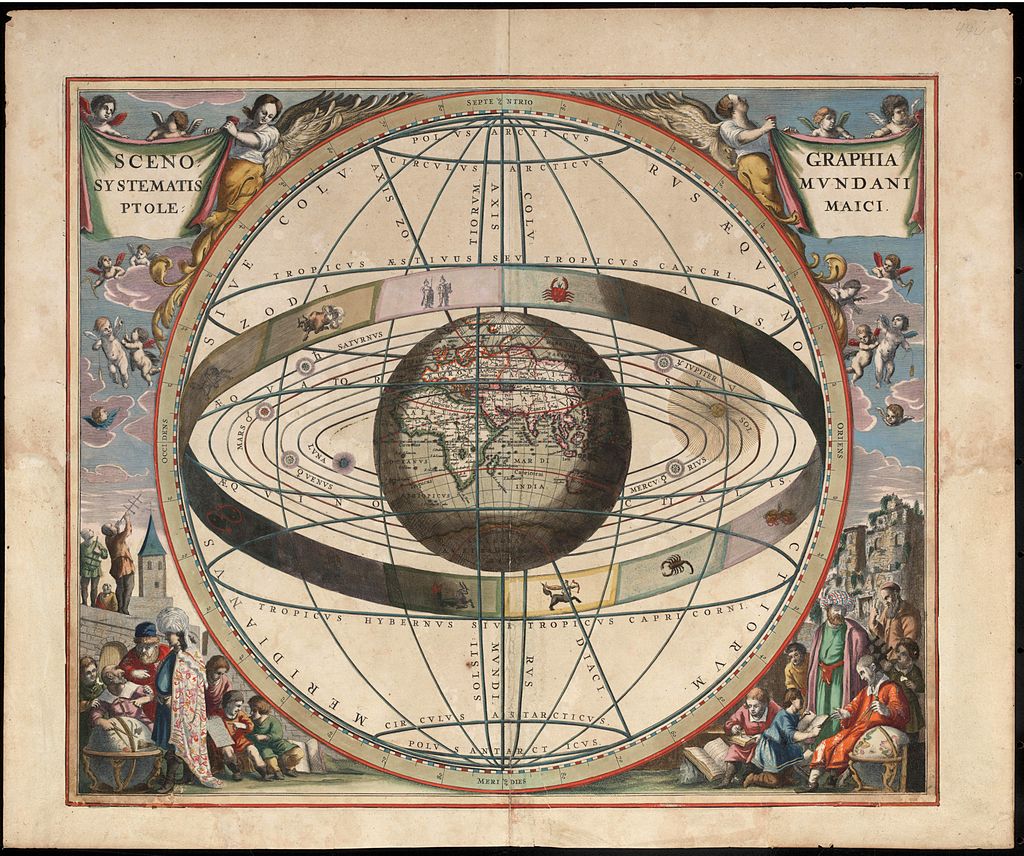
Astrology vs Astronomy: What's the Difference? | Sky ...

Astrology and astronomy - Wikipedia

What is the difference between Astronomy and Astrology?
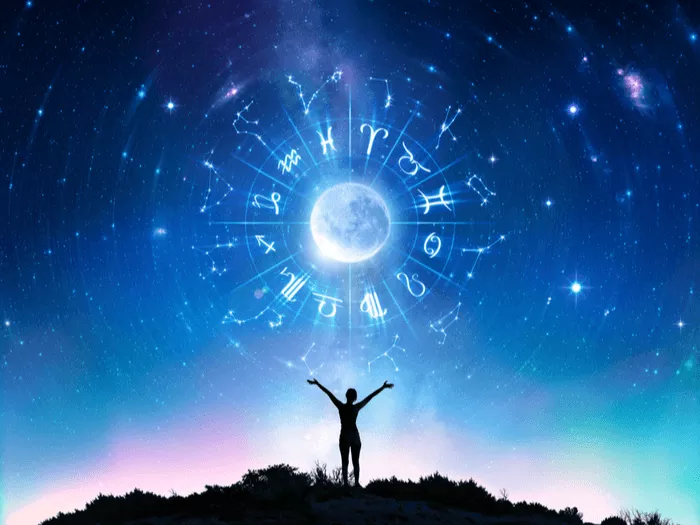
Is Astrology Real? Here's What Science Says - Quick and Dirty ...
0 Response to "42 astrology and astronomy are basically the same except"
Post a Comment